Warning Signs Roof Need Repair | R1 Roofing & Exteriors

Gravitate One • November 16, 2026

That ceiling stain from last spring may look the same today. The shingle that lifted during a windstorm might still be hanging on. But before winter settles in, it’s worth finding out whether those problems have left your roof vulnerable to water.


If you’re looking into roof repair in Utah, start by checking for changes inside your home and damage you can see from the ground. A few damaged shingles may need a targeted repair. A recurring leak needs a closer look. Neither automatically means you need a new roof.


At R1 Roofing & Exteriors, we help homeowners understand what’s causing the problem before deciding how to address it. Here’s what to watch for as you prepare for colder weather.

Why Roof Repair Before Winter Matters

Winter can make an existing roof problem harder to manage. Snow may cover damaged areas, making them difficult to inspect. As it melts, water can reach openings that were already there.


Repeated freezing and thawing can also worsen vulnerable joints and cracks. When ice builds up along a roof’s colder edges, it can hold meltwater back and allow it to work beneath roofing materials.


Conditions vary across our Utah service areas. A mountain home faces different winter exposure than a home in St. George. Wherever you live, addressing an existing leak before the next stretch of wet weather gives you a better chance of limiting damage.

Warning Signs Your Roof Needs Attention

Missing, Cracked, or Lifted Shingles

Look at your roof from the yard or sidewalk. Binoculars can help you spot a bare patch without climbing a ladder.


Shingles need to overlap properly and stay secured to protect the layers below. A missing shingle interrupts that protection. A lifted edge can give wind and rain a way underneath.


Signs worth having checked include:

  • Missing shingles or pieces found in the yard
  • Cracks or torn edges
  • Shingles that curl or no longer lie flat
  • A newly exposed patch that looks different from the surrounding roof

A small damaged area may be repairable if the surrounding shingles and roof deck remain sound. Widespread deterioration calls for a broader assessment.


Active Leaks or Old Water Stains

A drip during rain is an obvious reason to call a roofer. An old stain deserves attention too, especially if no one identified and repaired its source.


Water can travel along framing before appearing on a ceiling. The visible stain may be several feet away from where water entered the roof.


Watch for:

  • New or growing ceiling stains
  • Peeling paint near an upstairs ceiling
  • Damp insulation visible from a safely accessible attic area
  • Moisture that returns during rain or snowmelt


Take photos and note when the moisture appears. That information can help during an inspection. Painting over a stain won’t tell you whether the leak has stopped.


Damaged Flashing Around Roof Openings

Flashing directs water away from places where roofing meets a wall or surrounds an opening. These transitions need close attention because water can enter even when nearby shingles look intact.


From a safe vantage point, you may notice metal that has lifted or pulled away. Some flashing defects are difficult to see from the ground, so a roof that looks fine from the driveway can still have a leak.


Have a roofer check a persistent leak near a chimney or skylight rather than assuming another layer of caulk will solve it. The underlying flashing may need repair.


Loose Roofing Materials

Roofing materials that flap or rattle in the wind need attention. A loose ridge cap or displaced vent cover can leave an opening and may come off during another storm.

Don’t climb onto the roof to push materials back into place. Photograph what you can see safely and have the attachment points checked. The repair should address why the material came loose.


Sagging or Water That Doesn’t Drain

A roofline that appears to dip needs prompt professional evaluation. Sagging can indicate a problem with the decking or supporting structure, rather than a surface repair alone.

For a home with a low-slope roof, standing water that persists after rainfall also deserves a closer look. Blocked drainage may be involved, but the roof’s condition and slope need to be assessed.


If sagging develops suddenly or appears alongside interior cracking, stay out of the affected area and seek urgent professional help.


Overflowing or Pulling Gutters

Gutters affect how water leaves the roof and moves away from the house. When they overflow, runoff may spill behind the gutter or repeatedly soak the roof edge.


Look for:

  • Water spilling over during rain
  • Gutters separating from the fascia
  • Downspouts that appear blocked or disconnected
  • Staining or deterioration along the roof edge
  • Debris removal may solve an overflow problem. Damaged sections or poor drainage may require more work. Our gutter services can help address those issues alongside any roofing repairs.


Changes After a Wind or Hailstorm

Some storm damage is obvious. Other damage needs a closer inspection.


A new leak after a storm is worth investigating even if you can’t see missing shingles. Hail marks on gutters or damaged roofing pieces in the yard are reasons to have the roof checked, but they don’t establish the full extent of damage.


Take photos from the ground and record the storm date. Our Storm Damage Restoration team can assess suspected damage and help you understand the next steps.

What Can You Check Safely Yourself?

A homeowner check is useful for spotting warning signs. It cannot confirm every part of the roof is watertight.


Before scheduling a fall roof inspection in Utah:

  • Walk around the house and look for visible changes from the ground.
  • Check upstairs ceilings for new stains or peeling paint.
  • Observe gutter flow during rain from a sheltered location.
  • Photograph anything concerning and note when you first noticed it.
  • Tell the roofer about previous leaks or repairs, even if the area looks dry now.


Leave roof access to a professional. Frost can make a roof slippery before snow arrives, and walking on damaged materials can make the problem worse.


Does Your Roof Need Repair or Replacement?

The decision depends on how much damage exists and whether the rest of the roof can continue performing reliably.


An isolated flashing problem or a few damaged shingles may be suitable for repair. If the surrounding roof is sound, fixing the affected area can restore protection without replacing everything.


Replacement may make more sense when deterioration is widespread or repairs keep failing. The condition of the decking also matters. Roof age provides context, but it shouldn’t be the only reason for a recommendation.

Ask your roofer to explain:

  • What caused the problem?
  • Is the damage limited to one area?
  • Will the proposed repair address the source?
  • What condition is the rest of the roof in?
  • Our residential roofing services include inspections and repairs, with replacement available when the assessment shows it is needed.

Can Roof Repairs Be Completed in the Fall?

Many repairs can be completed in the fall when conditions allow. The right timing depends on the roofing material and the work involved.


Asphalt shingles can become harder to handle in cold weather, and their sealing requirements need to be followed. Other repair products also have temperature and surface requirements. A dry work area and safe access matter just as much as the forecast.


If you’ve noticed a problem, have it assessed before sustained winter weather arrives. That gives the contractor time to plan an appropriate repair. If permanent work must wait, ask whether professional temporary protection is needed.

Frequently Asked Questions

Should I have my roof inspected before winter?

An inspection is a sensible step if you’ve noticed damage or experienced a leak. It’s also worth considering after a significant storm or when an aging roof hasn’t been checked recently. A professional can assess areas that aren’t visible from the ground.


What roof damage should be repaired before snow arrives?

Active leaks and exposed roofing areas should receive prompt attention. Loose materials and damaged flashing also need assessment before they allow more water in. Sagging requires urgent evaluation because the problem may involve the structure beneath the roof.


Can cold weather make roof leaks worse?

Yes. Snowmelt can reach existing openings, and ice at the roof edge can prevent water from draining normally. Repeated freezing and thawing may worsen vulnerable areas. A leak that appears only occasionally can still need repair.


Can damaged shingles be repaired in the fall?

Often, yes. A roofer must confirm that weather conditions allow safe work and that the repair follows the manufacturer’s requirements. If surrounding shingles are brittle or extensively worn, replacing individual pieces may not provide a dependable fix.


When does a roof need replacement instead of repair?

Replacement may be appropriate when damage is widespread or the roof can no longer provide reliable protection. Repeated leaks and deteriorated decking can influence that decision. An inspection should establish whether a targeted repair will solve the problem.

Get Clear Answers Before Winter Arrives

You don’t need to know exactly what’s wrong before calling us. Tell us what you’ve noticed, and we can assess the roof and explain the available options.

Whether you’re dealing with a ceiling stain or visible storm damage, taking the next step now can help you plan the work your home needs.


Request a Free Quote


Recent Posts

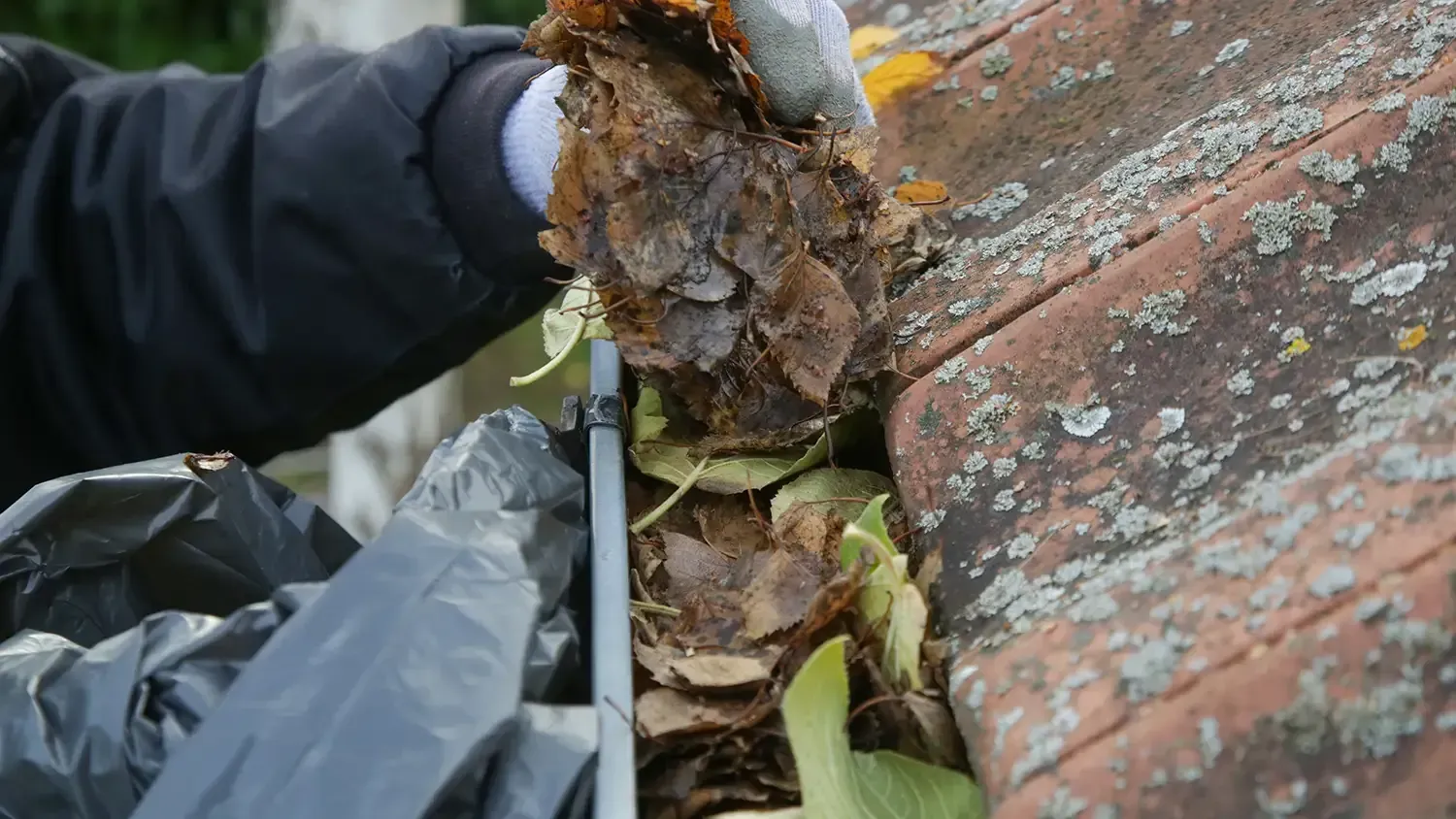
Gloved hand removing wet leaves and debris from a roof gutter beside red roof tiles
By Gravitate One • November 2, 2026
Prepare your Utah gutters for winter with this fall checklist. Learn how to clear debris, spot damage, check downspouts and prevent costly drainage issues.

By Gravitate One • October 12, 2026
When you hire a contractor to protect your home or commercial building, you want more than just a crew with tools—you want stability, specialized craftsmanship, and materials built to withstand our harsh Intermountain West climate. At R1 Roofing & Exteriors, our commitment to exceptional service has always driven how we grow. Today, we want to give you a behind-the-scenes look at the larger family behind our brand: Mountain West Construction Holding (MWCH). Whether you’ve worked with us for years or are planning your very first exterior renovation, here is what our parent company structure looks like—and what it means for your next project. The Story Behind Mountain West Construction Holding (MWCH) Mountain West Construction Holding was born right here in Utah out of a simple, ambitious goal: to elevate the standard of exterior construction and deliver craftsmanship that truly lasts. As R1 Roofing & Exteriors grew from a local roofing specialist into a trusted regional contractor, we recognized opportunities to solve common industry headaches—like supply chain delays, inconsistent material quality, and disjointed subcontractor schedules. To deliver a complete, seamless experience across residential, commercial, and custom architectural projects, the MWCH family expanded to welcome two vital partners: Riverbend Roofing & Exteriors and Mountain West Metals. Today, MWCH unites these specialized brands under one shared standard of excellence, while allowing each company to operate with the local focus, personal service, and deep trade expertise our customers rely on. Meet the Brands in Our Family Together, the MWCH network provides complete exterior construction services and locally manufactured metal solutions across Utah and the surrounding region. 1. R1 Roofing & Exteriors Your trusted partner for residential & commercial exterior performance. Website: roneroofing.com Specialty: Comprehensive roofing replacements, repairs, inspections, and exterior solutions built for durability. The Role: As the founding brand of MWCH, R1 sets the benchmark for customer communication, project management, and reliable installations designed to withstand heavy snow loads, intense sun, and high winds. 2. Riverbend Roofing & Exteriors Regional exterior craftsmanship and dedicated community service. Website: riverbendroofing.com Specialty: Full-service residential and commercial roofing, siding, and exterior renovations. The Role: Riverbend expands our regional footprint, bringing hands-on customer care, skilled trade crews, and dependable restoration services to homeowners and property managers throughout our neighboring communities. 3. Mountain West Metals Locally manufactured standing seam & architectural metal roofing solutions. Website: mountainwestmetals.com Specialty: Custom metal fabrication, standing seam panel production, trim, and structural metal components. The Role: Having an in-house metal fabrication powerhouse directly eliminates middleman markups and shipping bottlenecks. Mountain West Metals manufactures high-grade, precision-cut metal roofing and architectural profiles locally, giving our installation teams direct access to top-tier materials. What Does This Mean for You as a Customer? Being backed by a holding company family isn't just corporate structure—it translates into tangible advantages on every job site: Direct Supply Chain & Custom Fabrication: Because Mountain West Metals manufactures panels and trims locally, we don’t have to wait weeks for specialty metal orders. We get precision components manufactured to exact project specs, keeping timelines tight and quality control rigorous. Greater Capacity & Flexibility: From single-family homes to expansive commercial complexes, our network shares equipment, logistical power, and specialized knowledge, enabling us to handle projects of any scale without compromising on lead times. Local Roots, Regional Strength: We are proud Utah-based companies. You get the responsive, personalized service of a local contractor backed by the resources, warranties, and financial stability of a regional industry leader. Looking Ahead While our family of brands continues to evolve, our founding promise hasn't changed: uncompromising quality, transparent communication, and exteriors engineered to last. If your home or commercial building is ready for a new roof, upgraded siding, or custom metal architecture, reach out to the team at R1 Roofing & Exteriors today for a free consultation. Have a specific metal fabrication or regional exterior inquiry? Be sure to explore our sister companies at Mountain West Metals and Riverbend Roofing & Exteriors .
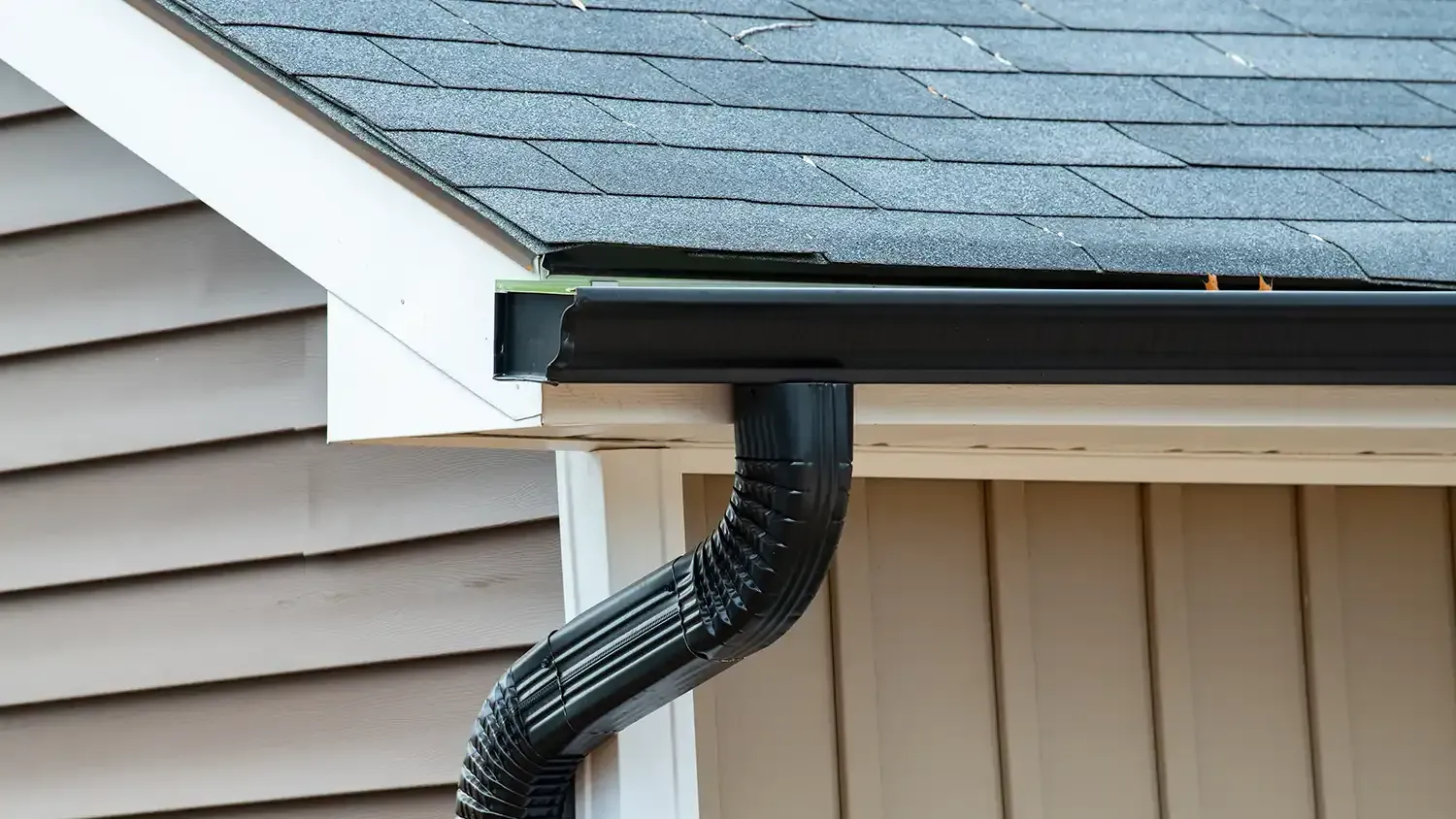
rain gutter on roof with a downpipe
By Gravitate One • August 24, 2026
Investing in professional gutter installation in Utah protects against basement leaks, foundation damage, and roof erosion. Learn more today.