

When you hire a contractor to protect your home or commercial building, you want more than just a crew with tools—you want stability, specialized craftsmanship, and materials built to withstand our harsh Intermountain West climate. At R1 Roofing & Exteriors, our commitment to exceptional service has always driven how we grow. Today, we want to give you a behind-the-scenes look at the larger family behind our brand: Mountain West Construction Holding (MWCH). Whether you’ve worked with us for years or are planning your very first exterior renovation, here is what our parent company structure looks like—and what it means for your next project. The Story Behind Mountain West Construction Holding (MWCH) Mountain West Construction Holding was born right here in Utah out of a simple, ambitious goal: to elevate the standard of exterior construction and deliver craftsmanship that truly lasts. As R1 Roofing & Exteriors grew from a local roofing specialist into a trusted regional contractor, we recognized opportunities to solve common industry headaches—like supply chain delays, inconsistent material quality, and disjointed subcontractor schedules. To deliver a complete, seamless experience across residential, commercial, and custom architectural projects, the MWCH family expanded to welcome two vital partners: Riverbend Roofing & Exteriors and Mountain West Metals. Today, MWCH unites these specialized brands under one shared standard of excellence, while allowing each company to operate with the local focus, personal service, and deep trade expertise our customers rely on. Meet the Brands in Our Family Together, the MWCH network provides complete exterior construction services and locally manufactured metal solutions across Utah and the surrounding region. 1. R1 Roofing & Exteriors Your trusted partner for residential & commercial exterior performance. Website: roneroofing.com Specialty: Comprehensive roofing replacements, repairs, inspections, and exterior solutions built for durability. The Role: As the founding brand of MWCH, R1 sets the benchmark for customer communication, project management, and reliable installations designed to withstand heavy snow loads, intense sun, and high winds. 2. Riverbend Roofing & Exteriors Regional exterior craftsmanship and dedicated community service. Website: riverbendroofing.com Specialty: Full-service residential and commercial roofing, siding, and exterior renovations. The Role: Riverbend expands our regional footprint, bringing hands-on customer care, skilled trade crews, and dependable restoration services to homeowners and property managers throughout our neighboring communities. 3. Mountain West Metals Locally manufactured standing seam & architectural metal roofing solutions. Website: mountainwestmetals.com Specialty: Custom metal fabrication, standing seam panel production, trim, and structural metal components. The Role: Having an in-house metal fabrication powerhouse directly eliminates middleman markups and shipping bottlenecks. Mountain West Metals manufactures high-grade, precision-cut metal roofing and architectural profiles locally, giving our installation teams direct access to top-tier materials. What Does This Mean for You as a Customer? Being backed by a holding company family isn't just corporate structure—it translates into tangible advantages on every job site: Direct Supply Chain & Custom Fabrication: Because Mountain West Metals manufactures panels and trims locally, we don’t have to wait weeks for specialty metal orders. We get precision components manufactured to exact project specs, keeping timelines tight and quality control rigorous. Greater Capacity & Flexibility: From single-family homes to expansive commercial complexes, our network shares equipment, logistical power, and specialized knowledge, enabling us to handle projects of any scale without compromising on lead times. Local Roots, Regional Strength: We are proud Utah-based companies. You get the responsive, personalized service of a local contractor backed by the resources, warranties, and financial stability of a regional industry leader. Looking Ahead While our family of brands continues to evolve, our founding promise hasn't changed: uncompromising quality, transparent communication, and exteriors engineered to last. If your home or commercial building is ready for a new roof, upgraded siding, or custom metal architecture, reach out to the team at R1 Roofing & Exteriors today for a free consultation. Have a specific metal fabrication or regional exterior inquiry? Be sure to explore our sister companies at Mountain West Metals and Riverbend Roofing & Exteriors .
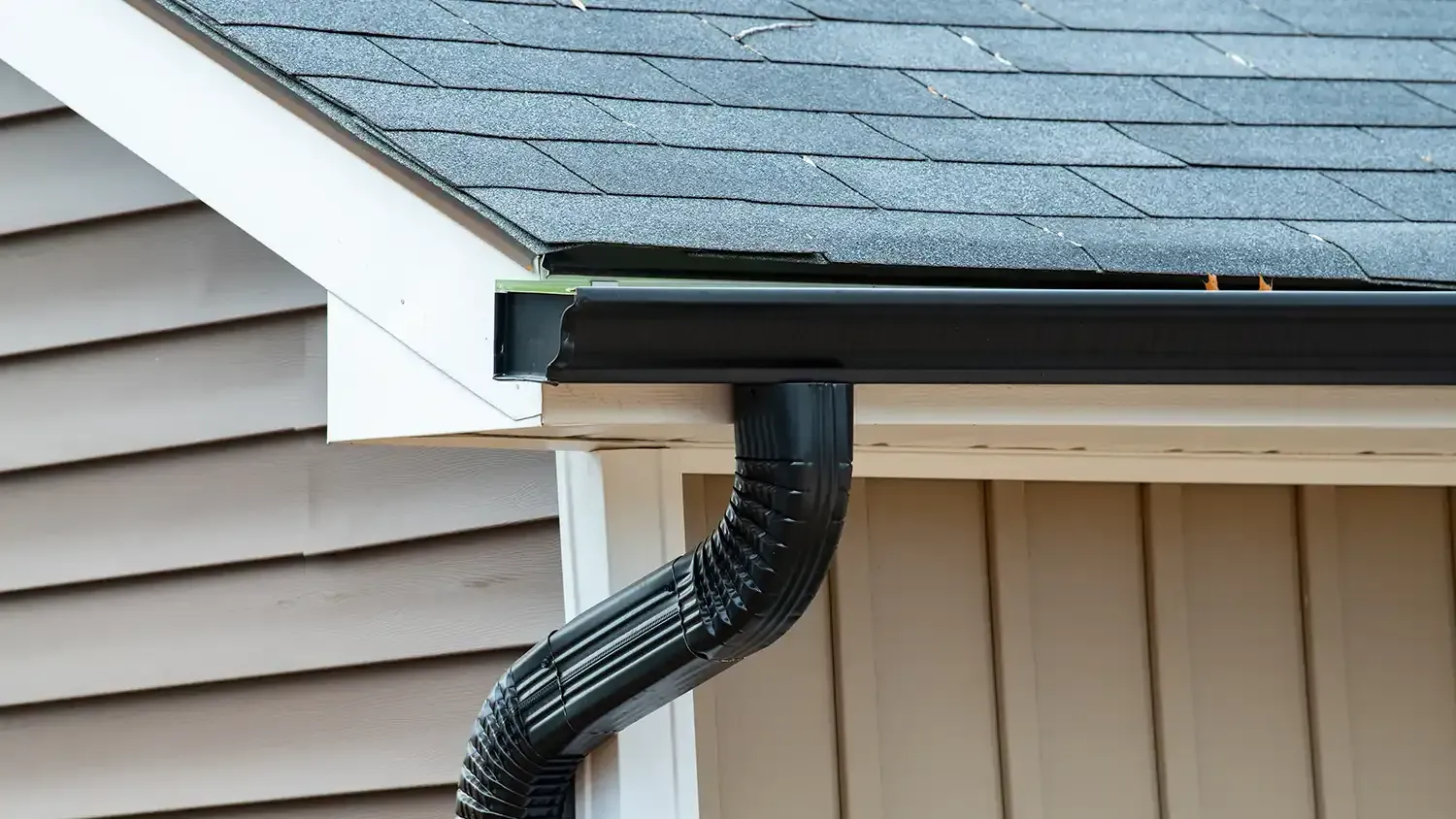
Gutter Installation in Utah: Why a High-Quality Drainage System is Your Home’s First Line of Defense
Investing in professional gutter installation in Utah protects against basement leaks, foundation damage, and roof erosion. Learn more today.
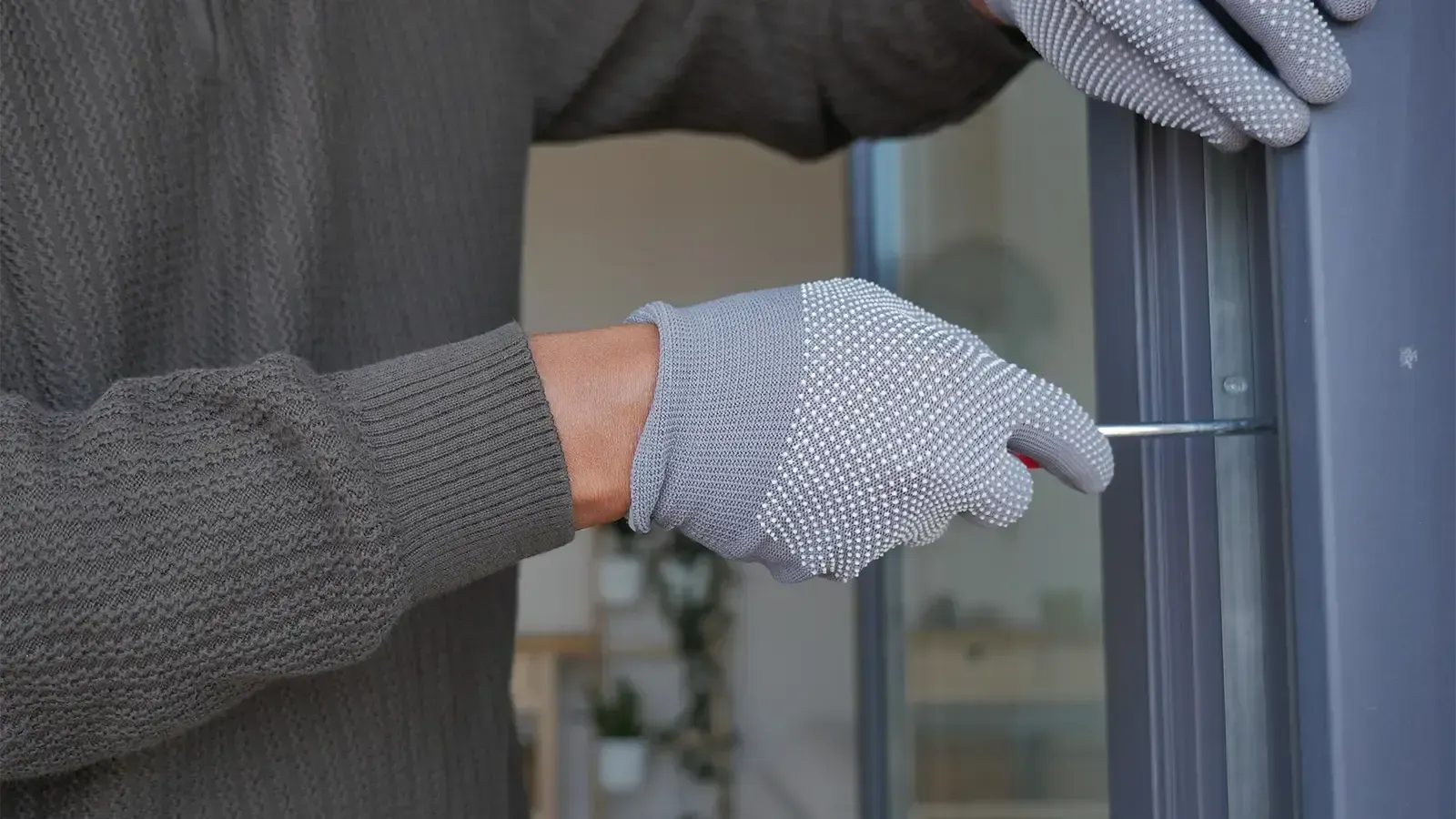
Need residential window repair in Utah? Restore your home's comfort and energy efficiency with R1 Roofing & Exteriors' expert local window services.